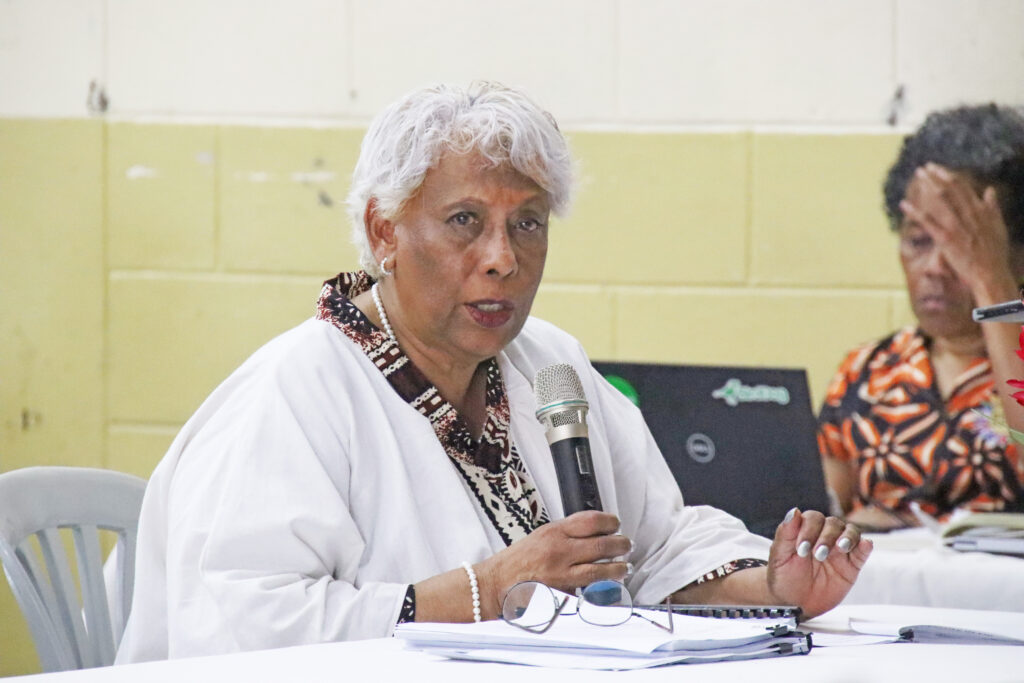
The University of Fiji’s Vice Chancellor, Professor Shaista Shameem told the Constitutional Review Special Committee that Constitution Bill No 32 of 2026 contained an unbelievable number of drafting errors and internal inconsistencies that could have been eliminated with proper checks and proofreading prior to the Bill being released to the public.
‘Some inconsistencies in the Bill are so grave they affect the purpose and content of the proposed legislation’, she said. Professor Shameem provided the Special Committee with a four page list consisting of almost 100 sections containing grammatical, spelling and typographical errors, as well as contradictory clauses, cross-referencing mistakes, and evidence of disjunction between the wording of the clauses and the explanatory notes.
Professor Shameem said that these fundamental errors defied the three principles of legislative drafting, namely, plain and clear language, internal consistency, and evidence of clear policy intent. She said the massive drafting deficit showed that the vacant position of parliamentary draftsperson clearly needed to be filled before the Bill was taken through any other process, particularly the National Referendum. ‘We all need to understand what this Bill is about and, currently, everyone appears confused about the meaning and intent of many provisions’.
Professor Shameem pointed out that, in particular, there was significant variance between clauses 112, 138, 144 and several others and their corresponding explanatory notes. Furthermore, sections 26 (4) (d), 80 (5), 116 (6) and at least 10 other sections were so confusing that the clauses were rendered meaningless.
She said that, I secondly, another problem was the Bill’s inconsistency with international human rights law. For example, section 40 (1) (e), referring to ‘chastisement’ of children could represent a breach of Fiji’s commitment to the Child Rights Convention in Articles 19, 28 (2) and 37 (a). This was because there was no definition of chastisement in the Bill. ‘Chastisement could be a euphemism for anything, including assault of a child’, she said.
Furthermore, section 154 apparently split state sovereignty, a development not previously experienced in Fiji and clearly would be a matter of grave concern for those who think state sovereignty is indivisible unless successionism is proposed. At this point other factors like taxpayers’ opinions would become relevant, especially in view of the rest of Chapter 9 in reference to Rotuma, she said.
Professor Shameem said she had earlier told the Constitution Review Commission that a supreme and entrenched Constitution was not necessarily needed in Fiji due to the instability caused by previous Constitutions as no one could agree uniformly on what a Fijian Constitution should contain.
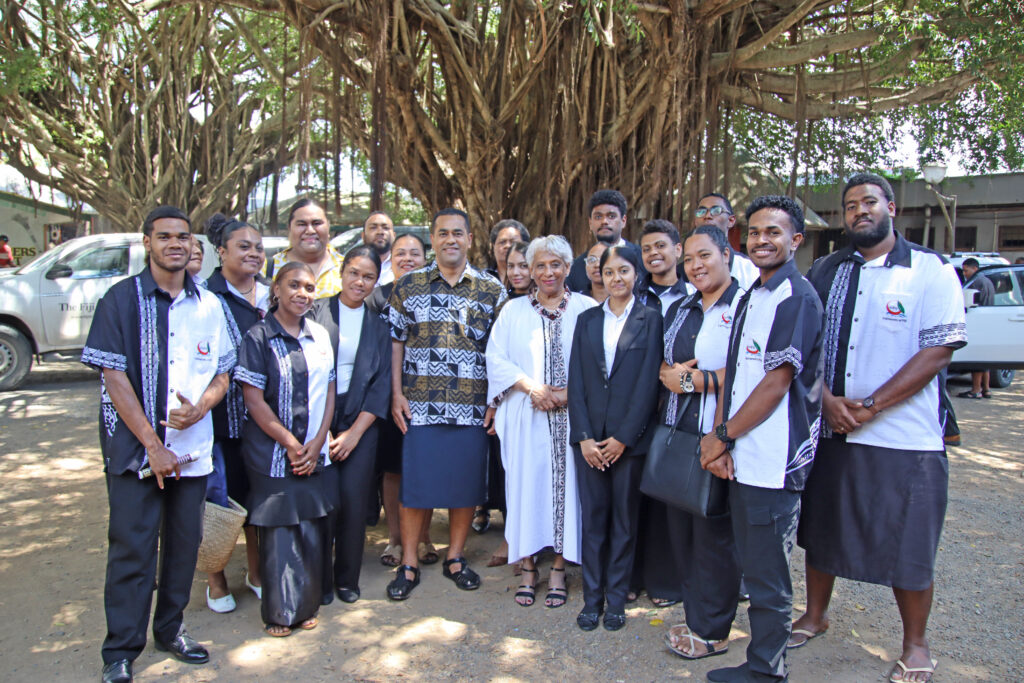
However, she had been convinced by her Constitutional Law class that a public good Constitution fair to all could be drafted, which they had done and the University had adopted their draft as one that would bring about the change and inclusivity that young people wanted. These students were present for the University’s submissions to the Special Committee and Professor Shameem gave the Committee a QR Code containing the students’ draft Constitution. She requested the Committee to consider the students’ draft carefully in view of the fundamental drafting deficiencies in the Government’s Bill No 32.
She said Bill No 32 had already given cause for concern among many people, no less the RFMF whose commander had expressed unease with the immunity clause, calling it ‘a mark of impunity’. Similarly, others had pointed to what they said were clauses inflicting discrimination between different communities.
Professor Shameem said that if her students, all of them eligible to vote in the next elections as part of the key voting demogaphic between 19 and 40 years of age, could produce a clear, consistent, public good Constitution which gave no special privileges or favours to anyone and respected all Fijians equally, there was no reason why the State, with all the resources at its disposal, could not.