Protecting and restoring the Pacific Ocean must be treated as a critical part of the region’s response to the climate crisis, students and climate experts heard at a pre-COP31 event at The University of Fiji’s Saweni Campus on October 6.
The OCEAN-CLIMATE NEXUS Storytelling: Pre-COP Community Event brought climate science, international law and the experiences of Pacific children into the same conversation as regional attention turns towards COP31.
The event was jointly hosted by The University of Fiji, the Pacific Islands Development Forum (PIDF), Asia Pacific Regulatory Centre (APRC), Minderoo Foundation and Artesano Productions. It featured the launch of Voices of Pacific Children, a screening of the internationally acclaimed documentary OCEAN with David Attenborough and an expert Ocean Talks discussion.
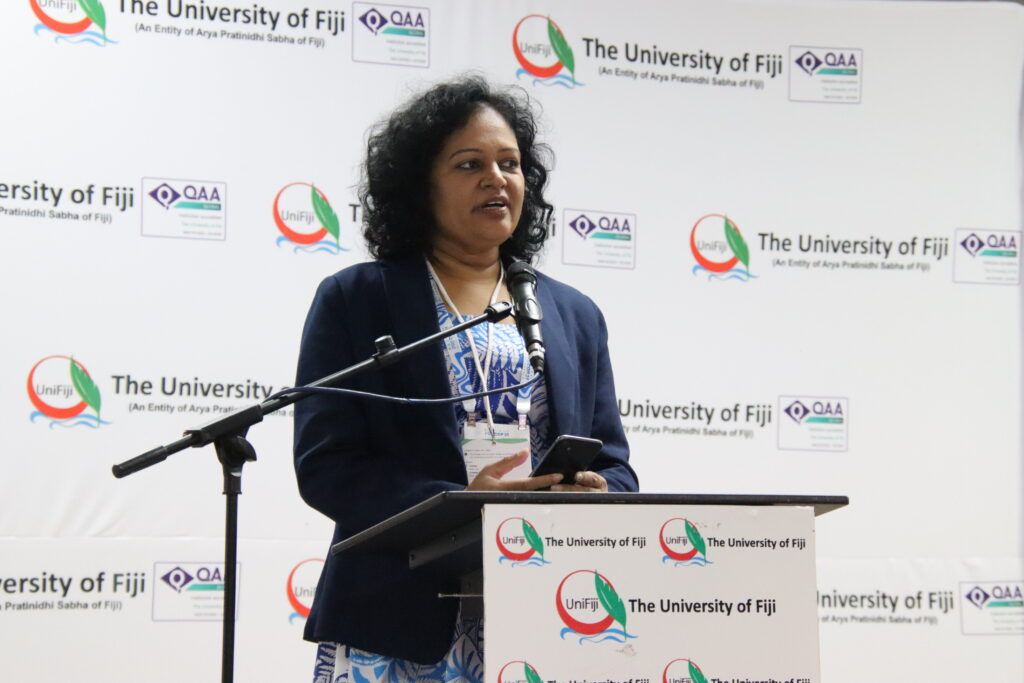
The University of Fiji Vice-Chancellor Professor Shaista Shameem said the event reinforced the importance of ensuring Pacific experiences and perspectives remained part of international discussions on climate change.
“For Pacific communities, climate change is not an abstract issue. Its impacts are being experienced through our oceans, livelihoods and communities, and young people will inherit many of the consequences of the decisions being made today,” Professor Shameem said.
“Universities have an important role in bringing together young people, researchers, communities and regional partners to examine these challenges from different perspectives. By combining youth voices, scientific knowledge and developments in international law, events such as this can help strengthen the Pacific’s contribution to finding practical responses to the climate crisis.”
The event placed particular emphasis on the experiences of Pacific children and young people, recognising that they will live with many of the long-term consequences of climate change and decisions being made today.
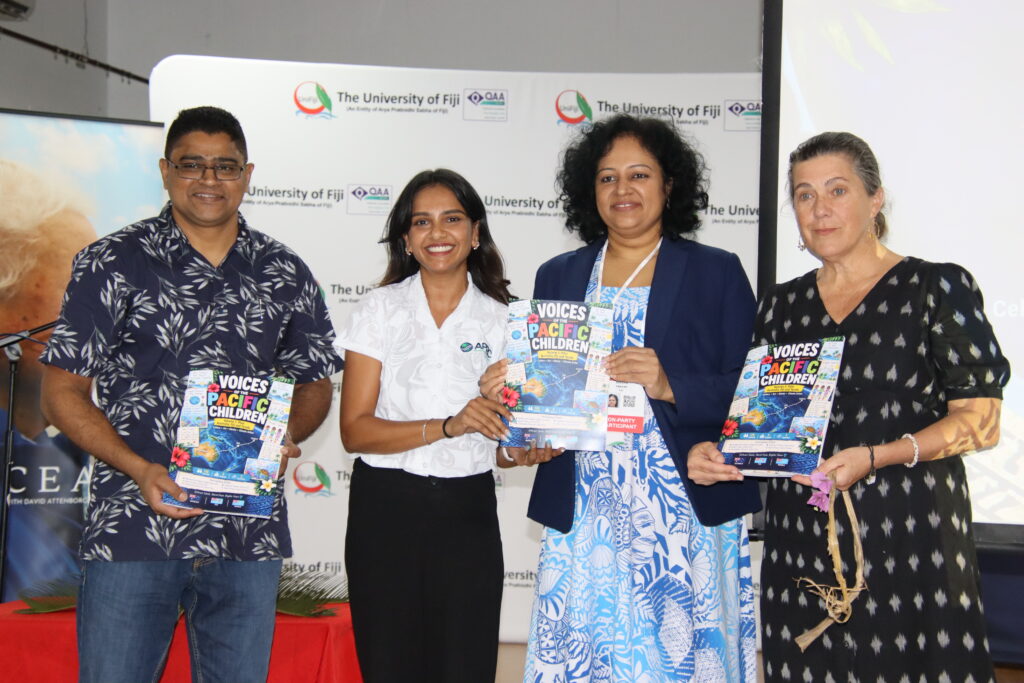
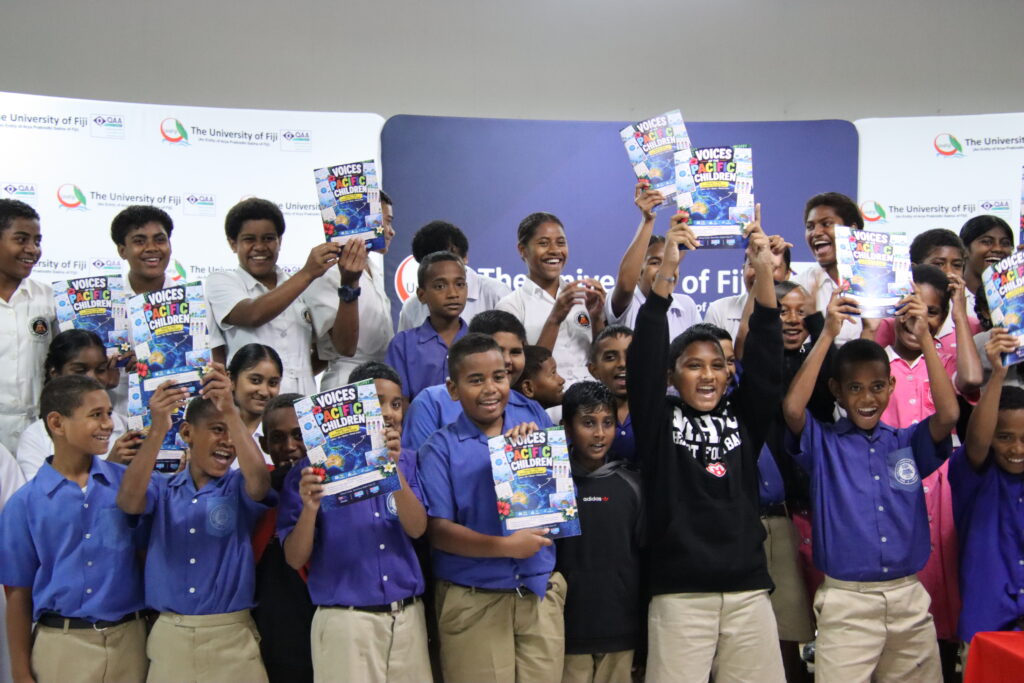
The launch of Voices of the Pacific Children provided one such platform. Published by the Asia Pacific Regulatory Centre, the book uses stories, poetry and artwork to present the climate experiences and perspectives of young Pacific people and draws attention to the links between ocean health, community wellbeing and the future of the region.
Students from Gurukul Primary School, Pandit Vishnu Deo Memorial College and The University of Fiji took part in the event.
PIDF Secretary General Ms Arpana Pratap said Pacific climate discussions could not be separated from the realities facing communities across the region.
“While Pacific leaders gather in Tuvalu ahead of COP31, it is equally important that the climate conversation is grounded in the realities of Pacific communities. Events like this bring those realities to the forefront, through lived experience, Pacific voices and collective action,” Ms Pratap said.
“For the Pacific, the ocean is not simply part of our environment; it is fundamental to who we are, how we live and how we sustain our communities. As climate change places increasing pressure on our ocean, it also places our food security, livelihoods, cultures and future at risk,” she said.
The connection between ocean health and climate action was further explored through the screening of OCEAN with David Attenborough, supported by Australian-based Artesano Productions and the Minderoo Foundation.
The documentary highlighted the ocean’s role as a major regulator of the global climate, including its capacity to absorb excess heat and carbon emissions, while showing how marine ecosystems can recover when areas are adequately protected.
Its central message reinforced the wider discussion at the event, that a healthy ocean is not separate from climate action but fundamental to successful climate mitigation and adaptation.
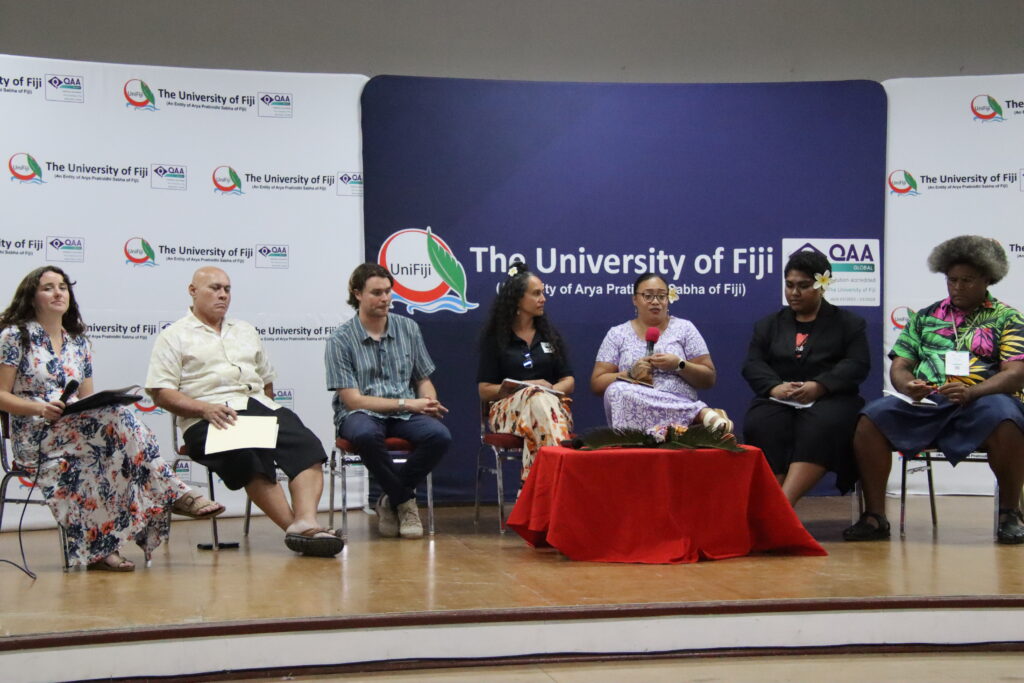
The legal dimensions of climate change and ocean protection were also examined during the Ocean Talks session.
Head of Corporate Services, Mr Seve Paeniu from the Office of the Vice-Chancellor at The University of Fiji discussed developments in ocean governance, including the Advisory Opinion by the International Tribunal for the Law of the Sea (ITLOS).
“The Advisory Opinion concludes that anthropogenic carbon emissions constitute marine pollution under UNCLOS. This is a landmark decision with wide implications for linking climate change to oceans, and highlights the importance of developing practical solutions to counter the effects of climate change on the oceans and their rich biodiversity,” Mr Paeniu said.
The event was held as Pacific countries prepare for further international climate negotiations ahead of COP31, with participants stressing that ocean protection, youth perspectives and Pacific experiences must remain part of the global climate agenda.