The University of Fiji has called for the protection, health and welfare of children to remain a national priority as Fiji marks World Children’s Day amid a National State of Disaster declared in response to the worsening El Niño drought.
With prolonged dry conditions placing increasing pressure on water supplies, food security and household livelihoods, the University has emphasised the need to ensure that children, particularly those in vulnerable communities, are protected from the immediate and long-term consequences of the crisis.
The University’s call coincides with World Children’s Day, observed annually on 20 November, under the 2026 theme “My Day. My Rights. My Future.”
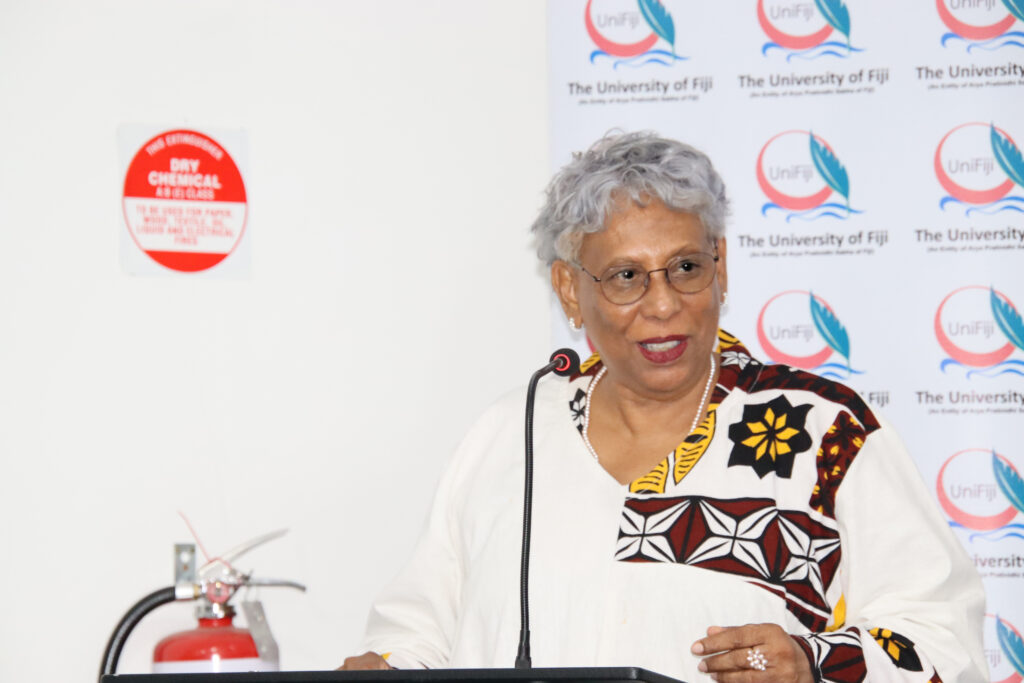
Vice-Chancellor Professor Shaista Shameem said the national disaster highlighted the importance of safeguarding children’s fundamental rights, particularly their access to clean drinking water, adequate nutrition, healthcare, education and a safe living environment.
“Children’s rights must never become secondary considerations during national emergencies. As Fiji responds to the ongoing drought, we must ensure that every child has access to clean drinking water, adequate nutrition, healthcare and a safe environment. The decisions we make today will have lasting implications for their health, development and future opportunities,” Professor Shameem said.
The University emphasised that children’s rights must not become secondary considerations during national emergencies, as decisions made in responding to the drought will have lasting implications for their health, development and future opportunities.
Families and caregivers are encouraged to take additional precautions during the ongoing drought, particularly as the school holiday period approaches, by ensuring children remain adequately hydrated, have access to safe drinking water and are protected from prolonged exposure to extreme heat.
The University also highlighted the importance of protecting children from violence, abuse, neglect and degrading treatment, whether at home, in schools or in public spaces.
Section 41 of Fiji’s 2013 Constitution specifically recognises the rights of children, including protection from abuse, neglect, violence and inhumane treatment or punishment. Section 11 further guarantees freedom from torture and cruel or degrading treatment.
These constitutional protections reinforce Fiji’s obligations under the United Nations Convention on the Rights of the Child, which Fiji ratified in 1993.
The University stressed that protecting children requires collective responsibility from parents, educational institutions, communities and national authorities, particularly during periods of environmental and economic hardship.
World Children’s Day also serves as a reminder that the challenges confronting children extend beyond the present drought to include poverty, climate change, access to education, housing, healthcare, sanitation and protection from violence.
As Fiji responds to the national disaster, the University has urged that the needs and rights of children remain central to both immediate relief efforts and longer-term national planning.
The University of Fiji maintains that protecting children today is essential to securing a safer, healthier and more resilient future for the nation.

