News & Blog

Community Engagement to strengthen relations: Misir

Community engagements being done by the University of Fiji seek to strengthen relations with the Lomolomo and Lawaki villages, says Vice- Chancellor Prof Prem Misir.

These relations, he said, are not only for the purpose of getting students but also to strengthen bonding between the University and the villages.

“To secure this bonding, we have to understand each other’s culture, not to tolerate the culture but to understand it and appreciate it,” said Prof Misir.

He added that the engagements were also done for building community awareness of the University’s roles as a tertiary institute.

“We went to these villages to advise them on the roles played by the University, not only as an institution for providing higher education, but also how the University played a role in the community and how it would benefit them” he said.

He explained that the initiative was part of the knowledge-based development framework which incorporated internationalization, academic collaboration and inter-disciplinary frameworks together with community engagements.

Vice-Chancellor also said that the University had good international relations with various universities around the world as part of the internationalization framework and the free bus initiative was part of the academic-industry collaboration framework.

The community engagement programs were activated in Lomolomo Village on 21st November and Lawaki on November 10th 2016.

The strategic plan- The Global Path to Academic Excellence and Building a Knowledge-Based Society 2017-2021, encompasses the importance of community engagement toward the betterment of the University as well as the communities themselves.

 

Loading

Department of Education well positioned to offer holistic curricula: Kivunja

ckivunja

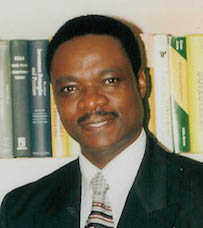
The Department of Education at UniFiji is very well positioned to offer holistic curricula, which provide experiences that empower students to graduate with skills relevant to the needs of Fiji, says Associate Professor Charles Kivunja of The University of New England.

In a letter to the Vice Chancellor Professor Prem Misir, Dr Kivunja said, “The curricula align well with the accreditation of the Fiji Higher Education Commission, where relevant, and fully meet the Fiji Qualifications Framework and requirements specified by the University of Fiji.”

He also said that he was pleased to see some essential skills such as ICT literacy as part of the program because these were essential skills for successful work in the 21st century.

“I was pleased to see a number of programs include units that teach critical thinking and problem solving skills, interpersonal skills, ICT literacy, entrepreneurial skills, awareness of global issues and consciousness to environmental issues, as these graduate attributes are part of the skills essential for successful work and cohabitation of the 21st century,” explained Dr Kivunja.

Dr Wahab Ali, the Dean of The School of Humanities and Arts, said that the external reviews were done to see the validity of the programmes in the Fiji context and he was very pleased with the results.

“I am really pleased with the comments as we always ensure that our students get the best in content and learning experiences,” he said.

He encouraged students aspiring and current educational leaders to enrol in the program and become better and well qualified leaders.

“The Master of Educational Leadership is an innovative, practice-focused and research –based postgraduate degree that prepares teachers and school administrators for leadership positions in schools and other educational institutions. It provides practising teachers with the theoretical understandings and practical skills needed to make a difference to the quality of education in their current and future workplaces,” said Dr Ali.

Associate Professor Charles Kivunja is a member of the Learning and Teaching team. He is Course Coordinator of the Master of Teaching (Primary) Award and Leader of the Learning and Research Network.

His research interests lie in foundational theories of learning, teaching and assessment (pedagogy), including multigrade pedagogy, and educational leadership, and he has supervised several doctoral theses to successful completion in these areas.


Loading